Signs Your Boiler Needs Servicing Before Its Next Check
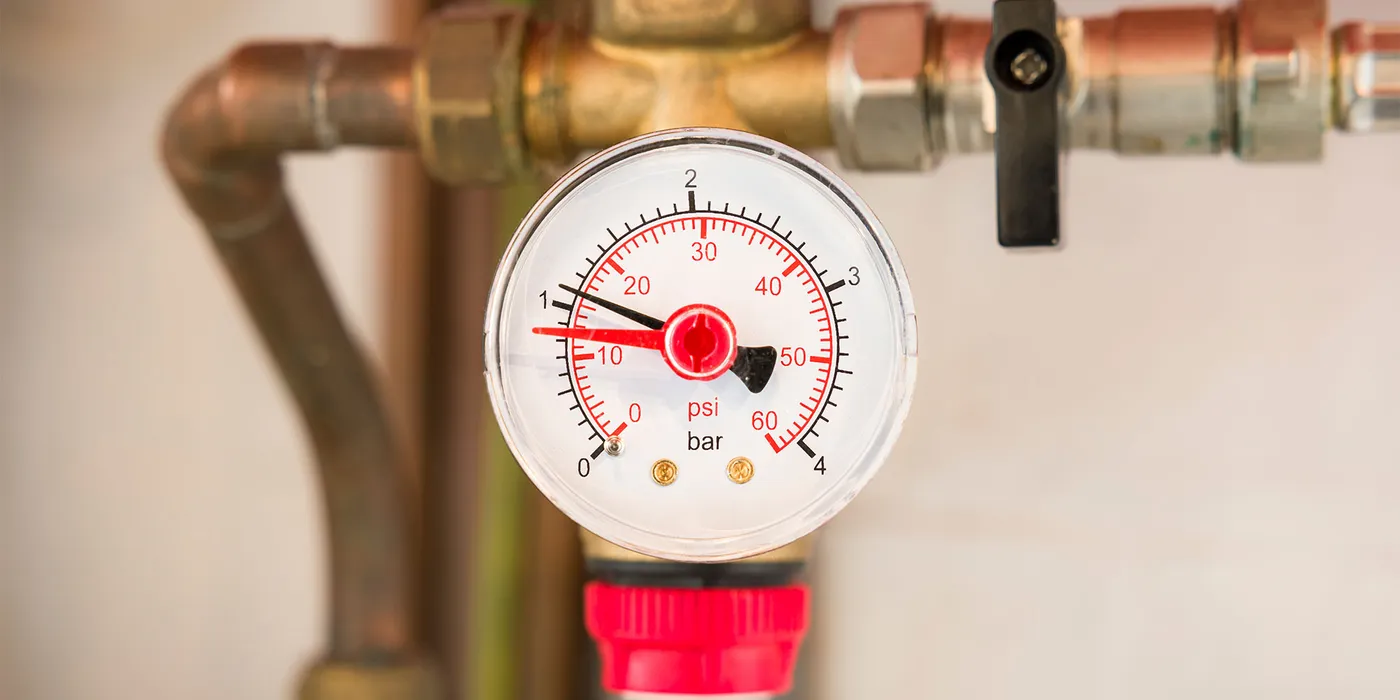
Strange noises, a yellow or orange flame and pressure that keeps dropping are signs your boiler needs looking at now, not at its next annual service. Here's what each one means.
Unusual Noises
A boiler that's running normally is generally quiet, aside from a low background hum. Banging, whistling, gurgling or knocking noises — sometimes described as "kettling" — are worth having looked at rather than ignored, since they can indicate anything from trapped air to limescale build-up affecting the heat exchanger.
Pilot Light or Flame Colour Changes
A healthy gas flame is usually a crisp blue. A flame that looks yellow, orange, or is flickering unusually can be a sign the boiler isn't burning gas efficiently or safely, and is one of the more important visual checks to act on quickly rather than waiting for a scheduled service.
Losing Pressure Repeatedly
Sealed heating systems are designed to hold a stable pressure. If your boiler keeps losing pressure and needs regular topping up, that's worth investigating — the cause can range from a minor issue with the expansion vessel to a leak somewhere in the system, and it's the kind of pattern a service visit or a boiler and central heating health check is designed to get to the bottom of. Our guide to why a boiler keeps losing pressure goes through the usual causes.
Inconsistent Heating Around the Property
If some rooms heat properly while others stay cold, or radiators are cold at the bottom but warm at the top, that's often a system issue rather than a boiler fault specifically — but it's still worth mentioning to an engineer, since a central heating health check looks at the system as a whole, not just the boiler. Cold radiator bottoms in particular are a classic sign of sludge, explained in our power flush guide.
An Increase in Running Costs Without a Clear Reason
A boiler that's working harder than it should to heat the same space can show up as a noticeable change in energy use, even before it produces an obvious fault. If nothing else about your usage has changed, it's worth having the system checked rather than assuming it's unrelated.
What to Do if You Notice Any of These
None of the signs above are necessarily an emergency, but none of them are worth waiting a full year to mention either. If your next scheduled service is months away and you're noticing any of the above, it's reasonable to bring the appointment forward or book a standalone visit to have it looked at.
Signs Your Boiler Needs Servicing, Not Just a Repair
Some signs point to a specific fault. Others simply mean the boiler is overdue its yearly service. These fall into the second group:
- It's been more than 12 months since the date on your last service record, or you can't find one.
- You've moved into a property and have no idea when the boiler was last serviced.
- Dark marks or soot around the boiler casing or the flue.
- The boiler takes longer to fire up, or the hot water is slower to reach temperature than it used to be.
- A fault code that clears with a reset but keeps coming back.
In any of these cases, book an annual boiler service. The engineer works through the full checklist and gives you a written record, which also restarts the unbroken service history most warranties depend on.
When It Can't Wait
If a carbon monoxide alarm goes off, or you smell gas, don't wait for a booked visit. Turn the boiler off if it is safe to do so, open windows, get everyone out of the property and call the National Gas Emergency Service on 0800 111 999. Symptoms such as headaches, dizziness or nausea that ease when you leave the house are a warning sign too. A boiler shouldn't be used again until a Gas Safe registered engineer has checked it.
For anything less urgent, send us the boiler make, model and what you've noticed and we'll arrange a visit.
Frequently asked questions
Should I wait for my annual service if I notice a strange noise from my boiler?
It's better to have it checked sooner. Noises like banging, whistling or gurgling can indicate a developing issue, and catching it early is generally easier and less disruptive than waiting for a fault to worsen.
Is it normal for a boiler to lose pressure occasionally?
An occasional, very gradual drop can be normal, but repeated pressure loss that needs regular topping up is not something to ignore — it's worth having an engineer investigate the cause.
Does uneven heating between rooms mean my boiler is faulty?
Not necessarily — it's often a system issue involving radiators, pipework or controls rather than the boiler itself. A central heating system health check looks at the whole system to identify the actual cause.
What are the signs that my boiler needs servicing?
The clearest sign is time: if it's been more than 12 months since the last service, or there's no record at all, it's due. Other signs are soot or dark marks around the casing, a yellow or orange flame, slow ignition, recurring fault codes and pressure that keeps dropping.