HMO Gas Safety Compliance: What Landlords of Shared Houses Need to Know
Landlords of Houses in Multiple Occupation face specific gas safety obligations. This guide explains the rules for appliances in shared and private areas.
Understanding Your Legal Duty as an HMO Landlord
As a landlord of a House in Multiple Occupation, you have a significant legal responsibility for the gas safety of your tenants. The Gas Safety (Installation and Use) Regulations 1998 apply to all rental properties, but the nature of an HMO introduces specific complexities. Your duty of care is heightened because more people are living in a single property, sharing facilities and, potentially, gas appliances. Compliance is not optional; it is a strict legal requirement designed to prevent carbon monoxide poisoning, gas leaks, fires, and explosions.
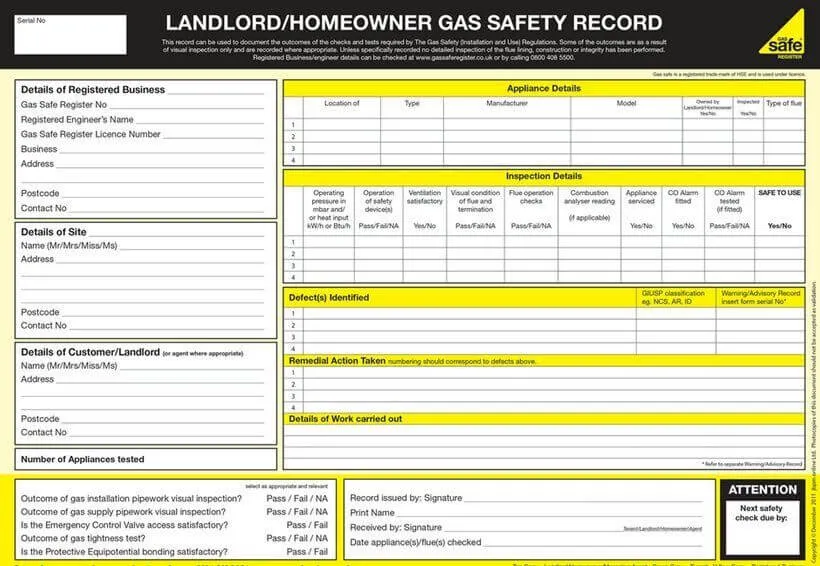
The core obligation remains the annual gas safety check by a Gas Safe registered engineer and the provision of a valid Gas Safety Certificate (CP12) to each tenant. However, in an HMO, identifying every appliance that falls under this requirement requires careful attention to the layout of the property and the distinction between shared and private spaces.
Gas Appliances in Shared Areas of an HMO
All gas appliances and fittings in areas accessible to all tenants must be included in the annual safety check. This is a clear and non-negotiable part of HMO gas safety compliance. Shared areas typically include the kitchen, any shared living rooms, hallways, and communal bathrooms.
Common appliances found in these spaces are boilers for central heating and hot water, gas cookers or hobs, and gas fires. Even if an appliance, like a boiler, is located in a cupboard, it must be checked if that cupboard is in a shared space. The engineer will inspect these appliances for safe operation, correct ventilation, and that all safety devices are functioning. A record for each must be on the CP12.
Appliances in Private Bedrooms or Studios
The rules for gas appliances within a tenant's exclusive private accommodation, such as a bedroom or a self-contained studio flat within the HMO, are equally important. If you, as the landlord, have supplied a gas appliance in that private space, it is your legal responsibility to ensure it is safety checked annually.
This includes any gas heater, gas cooker, or gas water heater that forms part of the rental agreement. The key factor is landlord provision. You must ensure access is arranged for the engineer to test these appliances. The findings will be recorded on the same CP12 certificate that covers the shared areas, providing a complete safety record for the entire property.
Tenant-Owned Appliances and Your Responsibilities
A frequent point of confusion arises when a tenant brings their own gas appliance into the property, such as a portable gas heater or a gas camping stove for use in their private room. You are not legally responsible for the safety check or maintenance of tenant-owned appliances.
However, you have a overriding duty to ensure the safety of the gas installation itself. This includes the pipework and any flues that a tenant-owned appliance might be connected to. Furthermore, most tenancy agreements rightly prohibit the use of such portable appliances due to the significant risk they can pose. It is prudent to explicitly state this prohibition in your contract and to make regular inspections of the property to ensure compliance.
Arranging Access and Record Keeping
Coordinating access with multiple tenants can be one of the biggest practical challenges of HMO compliance. You must take all reasonable steps to arrange the annual gas safety check. This involves providing tenants with adequate notice in writing and being flexible with appointment times. If a tenant repeatedly denies access, you must keep detailed records of your attempts as this is a valid defence.
You must provide a copy of the new Gas Safety Certificate to each existing tenant within 28 days of the check. For new tenants, you must provide a copy before they move in. You are also required to keep copies of each certificate for two years. Meticulous record keeping is essential for demonstrating your compliance.
Consequences of Non-Compliance
Failing to meet your HMO gas safety obligations can have severe consequences. Local authorities actively enforce these regulations. Penalties can include unlimited fines and, in the most serious cases where negligence leads to injury or death, landlords can face imprisonment.
Beyond the legal ramifications, non-compliance invalidates your property insurance, leaving you financially exposed. It also places your tenants at direct risk of carbon monoxide poisoning or fire. Ensuring a valid CP12 is in place is the fundamental step in protecting your tenants, your property, and yourself from these serious outcomes.
Frequently asked questions
Who is responsible for gas safety checks in an HMO?
The landlord is legally responsible for ensuring all landlord-supplied gas appliances in both shared areas and private rooms are safety checked annually by a Gas Safe registered engineer. This duty cannot be delegated to tenants or managing agents.
Does the Gas Safety Certificate (CP12) need to cover tenant-owned appliances?
No. The CP12 covers appliances and fittings supplied by the landlord. However, landlords must prohibit unsafe tenant-owned appliances in the tenancy agreement, as they remain responsible for the safety of the gas pipework and installation.
What happens if a tenant refuses access for the gas safety check?
You must take all reasonable steps to gain access, providing ample written notice. Keep detailed records of all communication and attempts. This documentation is crucial as it demonstrates your effort to comply, which is a key defence if enforcement action is considered.