New Tenant Checklist: What Landlords Must Provide Before Move-In
A smooth tenancy starts with the right paperwork. This checklist details the essential gas safety documents landlords must provide before a tenant moves in.
The Essential Gas Safety Certificate (CP12)
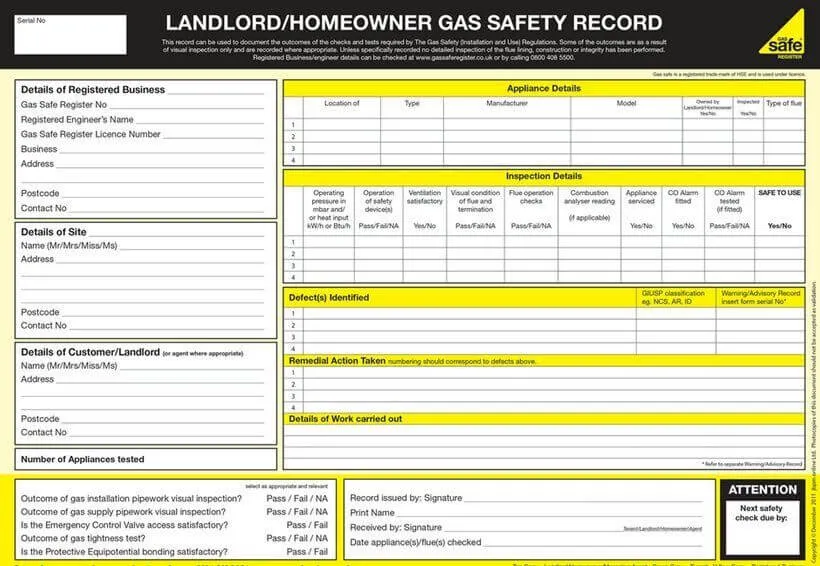
Before a new tenant moves in, you must provide a valid Gas Safety Certificate, officially known as a Landlord Gas Safety Record (CP12). This is a legal requirement for any property with gas appliances or a gas supply. The certificate must be issued by a Gas Safe registered engineer after a thorough inspection of all gas fittings and appliances you provide, such as the boiler, cooker, and gas fire. You must give a copy of this current certificate to your new tenant at the start of the tenancy.
The inspection checks that all appliances are safe to use, correctly installed, and properly ventilated. It confirms the engineer is satisfied there is no risk of carbon monoxide leaks or other gas dangers. You must keep this certificate for at least two years and ensure a new inspection is carried out every 12 months to maintain its validity.
Providing the Right Information to Your Tenant
Handing over the Gas Safety Certificate is just the first step. You must also provide your tenant with clear instructions for all gas appliances in the property. This includes the manufacturer's operating and safety manuals, which explain how to use the boiler, cooker, and other fittings correctly. These documents help tenants understand the systems in their new home and use them safely.
Alongside these instructions, you should provide the contact details of the engineer or company that conducted the gas safety check. This gives the tenant a direct point of contact for any queries about the safety inspection or the appliances themselves. Clear communication from the outset helps prevent misuse and builds a foundation of trust.
Carbon Monoxide Alarms: A Legal Requirement
In any room used as living accommodation which contains a solid fuel burning appliance, such as a wood burning stove, you must have a carbon monoxide alarm installed. While not a legal requirement for rooms with only gas appliances, it is considered best practice and a vital safety measure to install one in any room with a gas boiler or gas fire.
You must ensure any alarm provided is in proper working order at the start of the tenancy. Explain to the tenant where the alarm is located, demonstrate how to test it, and advise them to report any faults immediately. Providing a working carbon monoxide alarm demonstrates a strong commitment to tenant welfare beyond the minimum legal obligations.
Electrical Safety and the EICR
While the focus here is on gas, a complete move-in checklist must include electrical safety. You must provide a copy of a valid Electrical Installation Condition Report (EICR) to the tenant. This report, conducted by a qualified electrician, confirms the safety of the fixed electrical installations in the property, like wiring, sockets, and light fittings.
The EICR must be carried out at least every five years. Providing this document alongside the Gas Safety Certificate shows a comprehensive approach to property safety. It assures the tenant that all major systems have been professionally assessed and deemed safe for use.
Energy Performance Certificate (EPC)
You are legally required to provide a copy of the property's Energy Performance Certificate (EPC) to a new tenant. The EPC gives the property an energy efficiency rating from A to G and includes recommendations for improvement. You must have a valid EPC with a rating of E or above to legally let the property.
Providing the EPC allows the tenant to understand the likely energy costs and the environmental impact of the property. It is a key piece of information that helps them make an informed decision and manage their household budget effectively from the beginning of their tenancy.
Creating a Handover File
The most efficient way to manage all these documents is to compile them into a single tenant handover file. This file should contain the Gas Safety Certificate (CP12), the Electrical Installation Condition Report (EICR), the Energy Performance Certificate (EPC), appliance manuals, and alarm test instructions.
Presenting this file on move-in day ensures nothing is missed. It provides the tenant with a complete and organised reference point for all safety and operational information. This professional approach sets a positive tone for the tenancy, reduces future disputes, and clearly demonstrates your compliance and duty of care as a landlord.
Frequently asked questions
What happens if I don't provide a Gas Safety Certificate before the tenant moves in?
Failing to provide a valid Gas Safety Certificate at the start of a tenancy is a serious legal breach. It can lead to significant fines and invalidate any Section 21 notice you may need to serve to regain possession of the property. Most importantly, it puts your tenant's safety at risk.
Can I use last year's Gas Safety Certificate for a new tenant?
Yes, you can use an existing certificate as long as it is still valid. The certificate is valid for 12 months from its issue date. You must give a copy of the current, in-date certificate to the new tenant before they move in, regardless of when the tenancy starts within that 12-month period.
Am I responsible for servicing the boiler every year as well as the safety check?
Yes. While the annual Gas Safety Check (CP12) is a legal requirement to certify the appliances are safe, most boiler manufacturers also require an annual service to keep their warranty valid. A full service is more comprehensive than the safety check and is the best way to ensure long-term reliability and efficiency.